
Laos' energy exports challenged by Thai, Vietnam renewables
Laos, a major regional electricity supplier, faces rising competition as neighbours like Thailand and Vietnam invest in diverse renewable sources and expand grid connectivity.
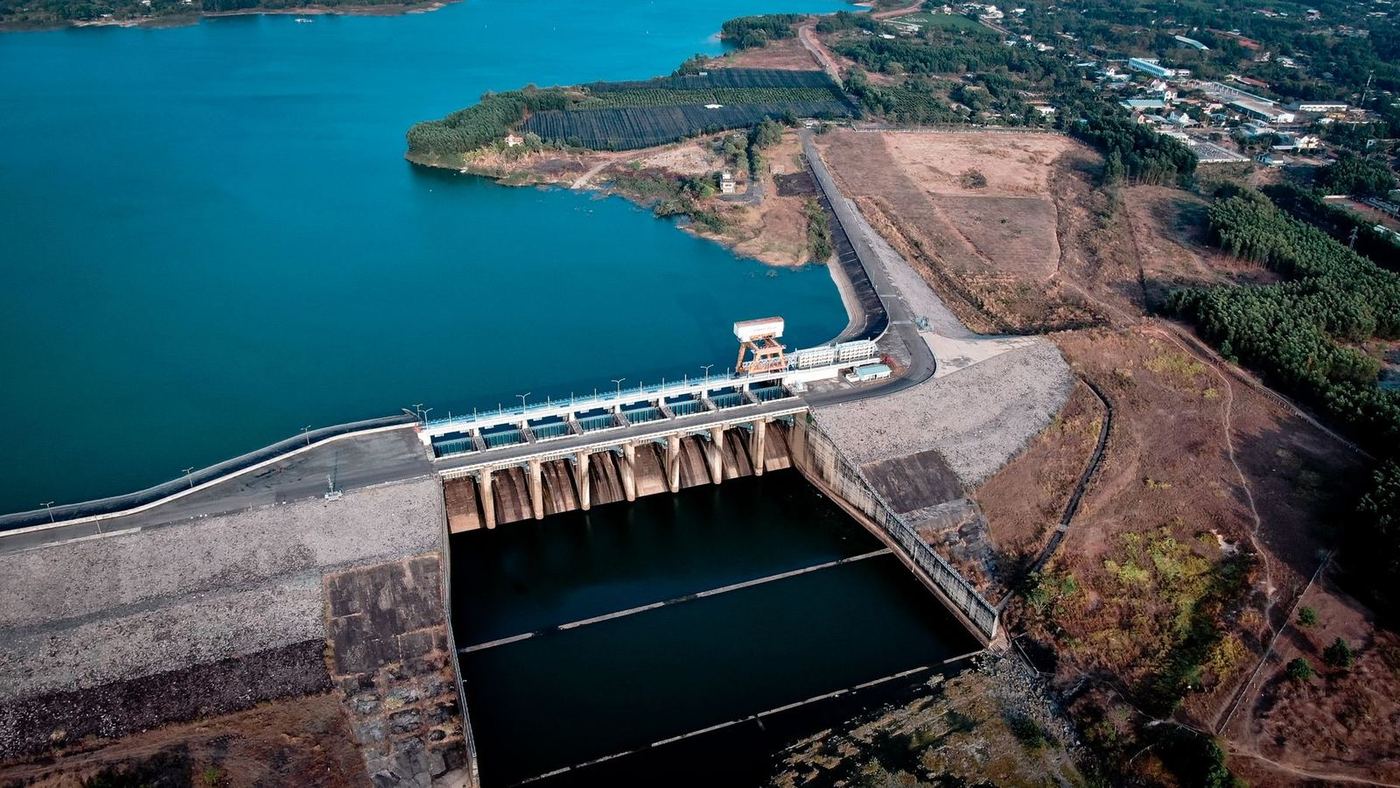
Laos' Hydropower Dominance and Emerging Competition
Laos has historically served as a significant electricity exporter in Southeast Asia, largely due to foreign investment in its hydropower sector since the 1990s. Approximately 80 per cent of the nation's energy output, predominantly from hydropower, is sold to neighbouring countries.
These exports generate roughly US$2.6 billion annually for Laos, a country identified as one of the poorer nations in mainland Southeast Asia. Countries such as Thailand, Cambodia, Vietnam, Singapore, and Malaysia have relied on this hydropower supply. However, this dynamic is undergoing a transformation.
Laos' hydropower exports now contend with increasing competition from non-hydro renewable energy sources, including solar and wind power, as well as broader changes in the regional power sector, driven by growing investment in these alternatives and initial developments towards a more integrated regional power grid, according to Eco-Business Policy & Finance on 12 September 2026.
Thailand's Pivot from Hydropower to Solar
Thailand remains the primary importer of electricity from Laos, underpinning Laos' ambitions for power exports. While Thai entities are significant investors in Lao hydropower projects, secured by Power Purchase Agreements (PPAs), Thailand is also diversifying its energy mix.
For instance, the Thailand-built Xayaburi Dam in north-west Laos, operational since 2019 with a generating capacity of nearly 1.3 gigawatts (GW), was the first Mekong mainstream hydropower project in the country. Other major projects, such as the 1.5 GW dam near Luang Prabang, are scheduled to commence operations in 2030.
Despite its substantial stakes in Lao hydropower, Thailand has announced a significant push towards solar energy. In September 2026, the country revealed plans to install 5 GW of rooftop solar capacity within a year to mitigate the impact of rising imported liquefied natural gas (LNG) prices.
Its draft Power Development Plan 2026 projects nearly half of all new renewable capacity between 2026–2037, totalling almost 51 GW, will originate from solar installations, Eco-Business Policy & Finance reported on 12 September 2026.
Vietnam's Surging Demand and Diversified Imports
Vietnam's energy requirements are increasing rapidly, primarily driven by its expanding manufacturing sector. In March 2026, during the dry season, Vietnam's electricity consumption reached 1 billion kilowatt-hours (kWh), a milestone achieved months earlier than in previous years.
By May 2026, this figure rose to 1.1 billion kWh, prompting authorities to implement measures, including increased electricity imports from Laos and China, to maintain stable supply. In the first quarter of 2026, energy imports from Laos surged by almost 120 per cent compared to the same period in 2025.
In 2025, Vietnam imported approximately 1.5 GW of power from Laos, mostly hydropower. Under its revised Power Development Plan (PDP), released in 2025, Vietnam aims to raise energy imports from Laos to at least 8 GW by 2030, an increase from the 5 GW target in the 2023 PDP.
Concurrently, Vietnam and Laos are enhancing grid interconnectivity, with a new 75-kilometre transmission line planned to connect Laos' Nam Nha hydropower complex to the Vietnamese border.
While hydropower will remain a key import, wind projects, such as the Monsoon cross-border project which began supplying power to Vietnam in late 2025, are expected to contribute a growing share, according to Eco-Business Policy & Finance on 12 September 2026.
Implications for Laos' Energy Export Future
The regional shift towards diverse renewable energy sources and enhanced grid connectivity presents an evolving environment for Laos' energy export-dependent economy. While neighbouring countries continue to rely on Lao hydropower for a significant portion of their energy needs, as evidenced by Vietnam's target to import 8 GW by 2030, this reliance is no longer exclusive.
The substantial investment by Thailand in 5 GW of rooftop solar by September 2027 and its long-term plan for 51 GW of new solar capacity by 2037, alongside Vietnam's integration of cross-border wind projects, indicates a diversification that will alter future power purchase dynamics.
For Laos, this means a need to adapt its energy strategy beyond solely large-scale hydropower, potentially exploring its own non-hydro renewable potential or strengthening its position within a more interconnected regional grid where energy sources are varied.
Decision-makers in Laos will need to evaluate the long-term sustainability of its current export model against these developing regional energy policies and investment trends.
This analysis is journalism, not investment advice; consult a licensed professional before making financial decisions.
Pieces are credited to the desk that commissioned and edited them. Our editorial standards, and the desks behind them, are set out on the Editorial Standards and Team pages.
Further reading
- Briefings · Industry
How will Japan's fiscal 2031 quantum sensor drone plan reshape undersea surveillance?
Japan's defence budget request, released in late August, outlines a plan to deploy drone-mounted quantum magnetic sensors by fiscal 2031. This initiative seeks to improve maritime detection efficiency and reduce operational costs.
Continue reading → - Briefings · Markets
How do US$100 oil and 5% US yields divide ASEAN currencies?
Analysts observe a significant split in regional currency performance, with some benefiting from trade surpluses and capital inflows while others face import cost pressures.
Continue reading → - Briefings · Markets
How will RBI's September 16 reverse repo affect India's liquidity?
The Reserve Bank of India will conduct an overnight variable rate reverse repo operation on September 16, 2026, aiming to absorb surplus funds from the banking system.
Continue reading →