
Huawei Qinyun HM650 desktop claims 100% domestic components
The company's first desktop, unveiled on 4 November, uses its Kirin X90 processor and HarmonyOS, targeting enterprise and government clients with a "100 per cent domestically made" claim.
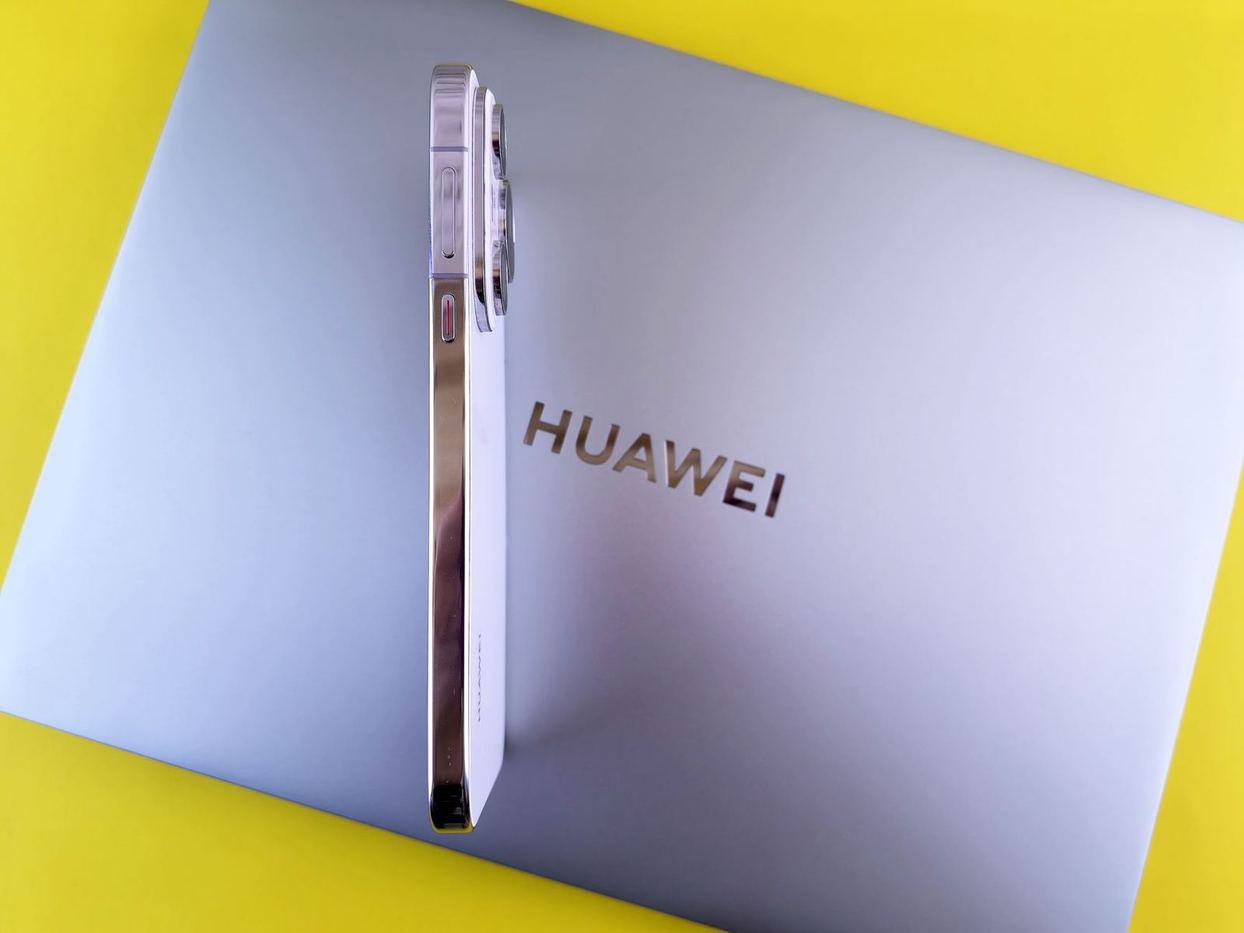
Huawei's Domestic Desktop Launch
Huawei Technologies introduced its inaugural desktop computer, the Qinyun HM650 series, on 4 November 2026. This new line of devices is specifically designed for enterprise and government clients in China.
The Shenzhen-based company presented the Qinyun HM650 as entirely constructed from components sourced within China, marking a significant step in its strategy for technological independence.
The firm stated that the desktop is powered by its proprietary HarmonyOS operating system and features the self-developed Kirin X90 processor, which was first integrated into Huawei's consumer laptops and tablets during 2025.
This launch expands the application of HarmonyOS beyond its initial deployment in portable computing devices, demonstrating a broader ambition for its software ecosystem.
Component Sourcing and Certification Details
The Qinyun HM650 series is notable for its comprehensive use of Chinese-made parts, extending from its central processing unit to its memory modules. Huawei's public statements indicate this makes it the first desktop computer in China to achieve a "100 per cent domestic" certification, as detailed on the company's official website.
While this certification highlights the breadth of local component integration, the specific criteria and full scope of the verification process remain undefined in public disclosures.
This development aligns with broader industry trends in Asia where technology firms are increasing their reliance on regional supply chains to mitigate external dependencies and build robust local manufacturing capabilities across their product lines.
Strategic Imperatives for Localisation
Huawei's introduction of the Qinyun HM650 desktop is part of a deliberate corporate strategy to enhance technological self-reliance. This initiative aims to reduce the company's reliance on foreign-sourced components and intellectual property, particularly in critical hardware and software domains.
By extending HarmonyOS to desktop environments, Huawei is broadening the ecosystem for its proprietary operating system, moving beyond its initial applications in consumer laptops and tablets.
This expansion indicates a strategic effort to build out a comprehensive domestic technology stack capable of supporting a wider range of computing needs across various sectors, from office productivity to specialized enterprise applications.
Implications for Enterprise and Government Adoption
The strategic targeting of enterprise and government sectors for the Qinyun HM650 series suggests a focus on securing large-scale institutional adoption within China.
For government agencies and state-owned enterprises, the assurance of "100 per cent domestically made" components could be a significant factor in procurement decisions, potentially addressing concerns related to supply chain security and data integrity.
This move may also stimulate further development within China's domestic component manufacturing sector, as sustained demand from a major technology producer like Huawei could incentivise investment and innovation in local supply chains, fostering a more integrated national industrial base.
The success of this desktop series in these critical segments will offer insights into the viability and performance of an entirely domestic technology ecosystem.
Outlook for Asia's Tech Ecosystem
This launch by Huawei represents a tangible advancement in China's drive towards a self-sufficient technology ecosystem. Investors and policymakers across Asia will be watching for uptake rates within the enterprise and government sectors, as these figures could indicate the market's confidence in domestically-produced hardware and software at scale.
Future announcements regarding Huawei's component suppliers or production volumes for the Qinyun HM650 series, expected in early 2027, will provide clearer metrics on the economic impact and the extent of this localisation strategy.
The performance benchmarks of these fully domestic systems, once publicly available, will also offer critical data for other Asian technology firms considering similar supply chain diversification strategies and investments in regional manufacturing capabilities.
This analysis is journalism, not investment advice; consult a licensed professional before making financial decisions.
Pieces are credited to the desk that commissioned and edited them. Our editorial standards, and the desks behind them, are set out on the Editorial Standards and Team pages.
Further reading
- Briefings · Markets
Bank of Japan's October assets reach ¥626.19tn
The Bank of Japan's total assets reached 626.19 trillion yen by the end of October 2026, primarily driven by holdings of government securities and pecuniary trusts.
Continue reading → - Briefings · Markets
Singaporean REITs: Bond yields threaten stability
Despite attractive high yields and rising rents, analysts suggest Singaporean real estate investment trusts face potential impact from bond yield concerns, similar to those affecting the banking sector.
Continue reading → - Briefings · Companies
What does PGBank's B1 rating reveal for its market position?
PGBank, a Vietnamese lender, has received a B1 long-term deposit rating from Moody's Ratings with a stable outlook, signalling its financial strength and growth potential in the retail banking sector.
Continue reading →