
Qatar courts Chinese firms amid Gulf supply chain shifts
Qatar's logistics sector is actively courting Chinese firms seeking to establish local warehousing and fulfilment capabilities in the Middle East, driven by trade route disruptions in the Gulf.
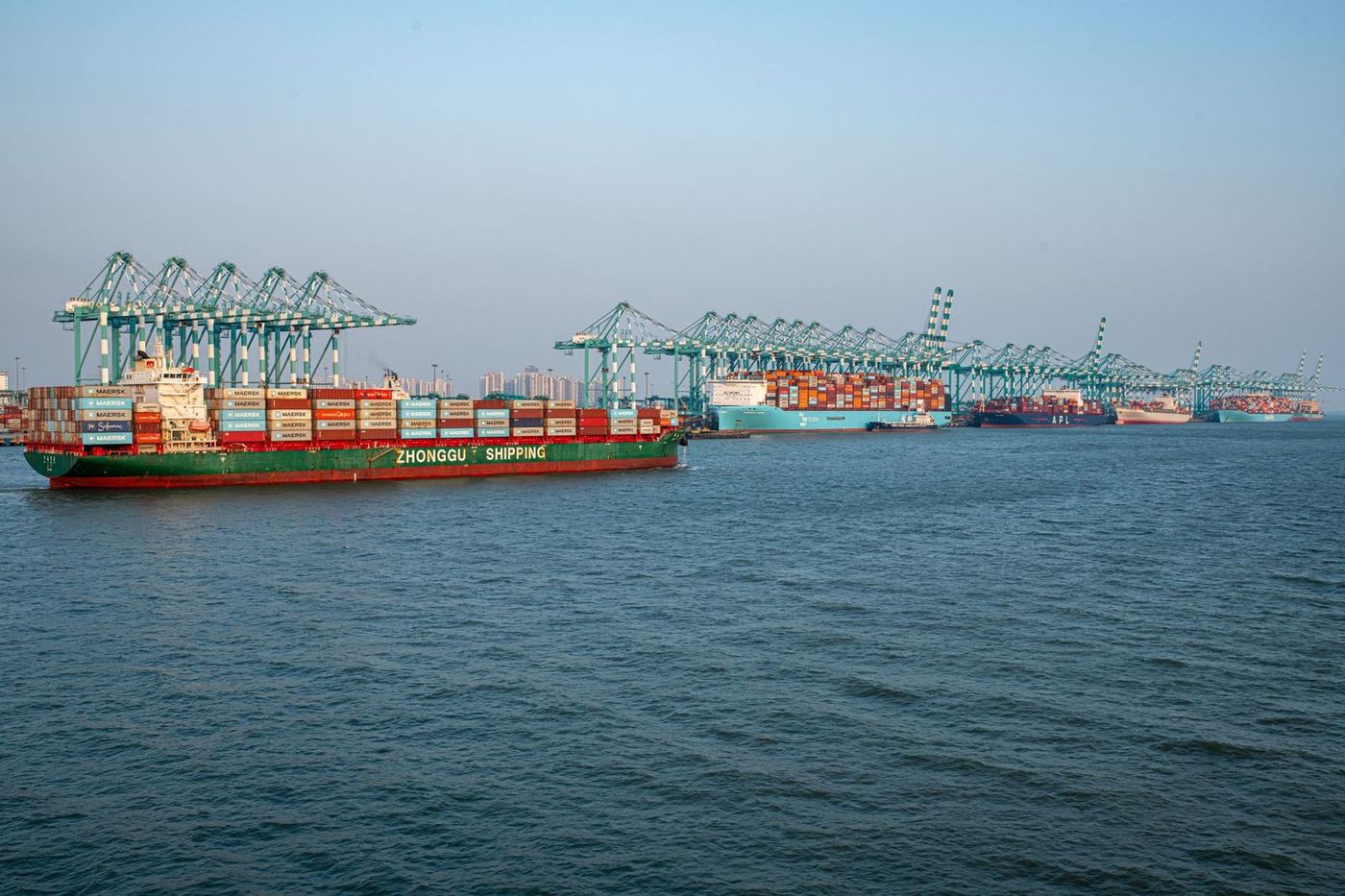
Qatar’s push for Chinese logistics investment
Qatar is increasing its efforts to attract Chinese companies, particularly in the logistics sector, as ongoing conflicts in the Gulf disrupt established trade routes. This move reflects a broader impetus for Chinese businesses to diversify their supply chains and establish operational bases closer to their end customers.
Sheikh Khalifa bin Salman Al Thani, chief executive of Qatar-based logistics solutions provider WareOne, stated on 14 September 2026 that supply chain diversification is a global trend. This strategic shift is becoming more urgent due to the current environment, prompting companies to rethink their traditional distribution models and seek out alternative hubs in the Middle East.
Chinese firms localising Middle East operations
Chinese businesses have expanded their presence across the Middle East in recent years, with e-commerce platforms such as SHEIN, Temu, and AliExpress demonstrating significant growth. This expansion also includes electric vehicle manufacturers, technology firms, and other consumer-oriented companies.
As these businesses mature in the region, their operational model is evolving beyond simply shipping goods from China. They are increasingly moving towards holding inventory locally, establishing fulfilment centres, and managing direct sales within the Gulf Cooperation Council (GCC) markets, which presents a more complex operating environment than purely export-driven models.
Navigating GCC operational complexities
The transition to localised operations in the GCC presents Chinese companies with several challenges, as highlighted by Sheikh Khalifa bin Salman Al Thani of WareOne on 14 September 2026.
While China possesses a highly developed supply chain infrastructure, the crucial question for these businesses is no longer about the movement of goods, but rather who manages operations at the destination. The six GCC markets each have distinct regulatory frameworks, tax regimes, and product registration requirements.
Companies establishing a local presence often need to set up local entities, engage customs agents, and develop their own warehousing, fulfilment, and delivery networks to comply with local standards and serve customers effectively.
Implications for Asia’s supply chain strategy
The intensified focus by Chinese companies on establishing regional logistics hubs in the Gulf, driven by trade route disruptions and the need for diversification, signals a broader trend for Asian supply chain resilience. Decision-makers in Asian manufacturing and retail should assess the viability of similar distributed supply chain models by late 2026.
This involves evaluating the cost-benefit of establishing regional distribution centres in key consumption markets to mitigate risks and cater to local demand more efficiently.
The ongoing shifts indicate a sustained investment trend in regional logistics infrastructure, with capital flows increasingly directed towards building these new operational capabilities outside traditional manufacturing bases.
This analysis is journalism, not investment advice; consult a licensed professional before making financial decisions.
Pieces are credited to the desk that commissioned and edited them. Our editorial standards, and the desks behind them, are set out on the Editorial Standards and Team pages.
Further reading
- Briefings · Industry
How will Japan's fiscal 2031 quantum sensor drone plan reshape undersea surveillance?
Japan's defence budget request, released in late August, outlines a plan to deploy drone-mounted quantum magnetic sensors by fiscal 2031. This initiative seeks to improve maritime detection efficiency and reduce operational costs.
Continue reading → - Briefings · Markets
How do US$100 oil and 5% US yields divide ASEAN currencies?
Analysts observe a significant split in regional currency performance, with some benefiting from trade surpluses and capital inflows while others face import cost pressures.
Continue reading → - Briefings · Markets
How will RBI's September 16 reverse repo affect India's liquidity?
The Reserve Bank of India will conduct an overnight variable rate reverse repo operation on September 16, 2026, aiming to absorb surplus funds from the banking system.
Continue reading →