
WTO: AI demand drives global trade growth through 2026
The World Trade Organisation's Goods Trade Barometer registered 102.0 in September 2026, indicating trade volumes are above trend, driven by demand for AI-related components.
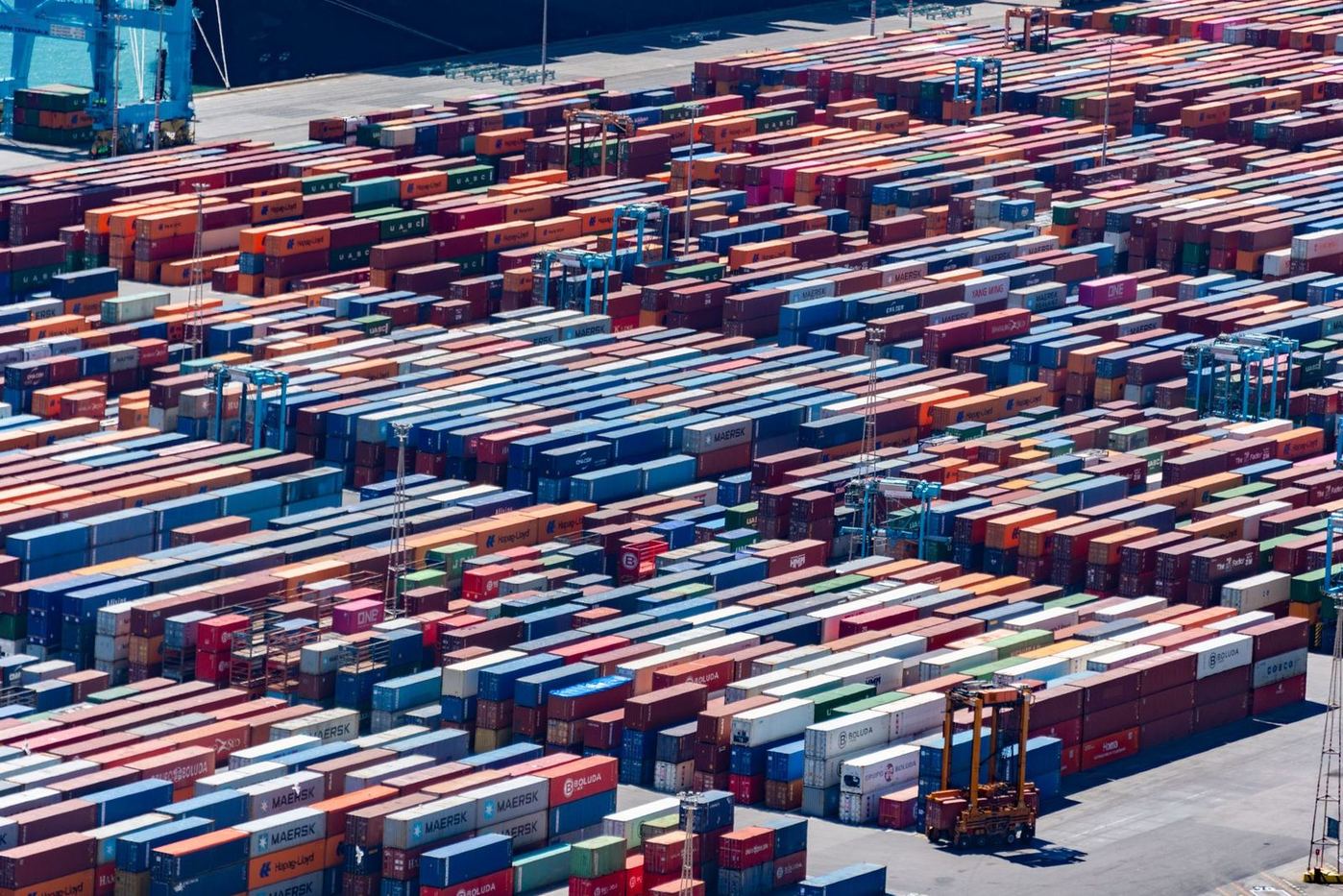
Global trade expands above trend
World merchandise trade continued its expansion in mid-2026, despite ongoing geopolitical and policy-related uncertainties, according to the World Trade Organisation (WTO) Goods Trade Barometer released on 9 September 2026. This composite leading indicator for merchandise trade provides an early insight into global trade trajectory compared to recent patterns.
A barometer value exceeding 100 signifies above-trend trade volumes, while values below 100 suggest trade volume has fallen below its typical path. The latest reading of 102.0 surpasses both the baseline value of 100 and the previous figure of 101.7 recorded in June 2026, showing that merchandise trade is not only above its long-term trend but also gathering further momentum.
AI demand offsets regional conflict impact
The WTO assessment indicates that strong demand for electronic components and other goods connected to investment in artificial intelligence (AI) is partially mitigating the negative economic effects stemming from the conflict in the Middle East.
Among the barometer's component indices, the electronic components index recorded the strongest performance at 104.9, reflecting significant demand for products that enable AI technologies.
Furthermore, the highly predictive export orders index, which forecasts future trade activity, also strengthened to 103.5, suggesting continued growth in merchandise trade in the forthcoming months.
Varied performance across trade categories
While most component indices exceeded the baseline value of 100, their performance varied. The international air freight index stood at 102.8, and the agricultural raw materials trade index reached 102.6, both indicating firm expansion above trend. The automotive products index also increased slightly above trend to 101.5.
However, the container shipping index registered 99.6, a slight dip below its trend, suggesting some moderation in maritime transport volumes. Collectively, these component indices indicate that merchandise trade growth has maintained its positive trajectory, even amid heightened uncertainty surrounding trade policies and ongoing geopolitical tensions.
Outlook for 2026 merchandise trade volume
The WTO Secretariat's Global Trade Outlook and Statistics (GTOS) report, issued on 19 March 2026, provided forecasts for world merchandise trade volume growth in the current year. Under a baseline scenario, the report projected growth of 1.9% for 2026. In a high-energy-price scenario, which accounts for the economic impact of the Middle East conflict, the forecast was 1.4%.
The GTOS report also noted that sustained investment in AI could potentially add an additional 0.5 percentage points to merchandise trade growth. World merchandise trade volume saw positive year-on-year growth during the first quarter of 2026, with an update to the GTOS report anticipated in October.
Implications for Asian manufacturing and logistics
The sustained demand for electronic components, evidenced by the 104.9 index reading in September 2026, presents a clear opportunity for Asian manufacturing hubs heavily involved in the technology supply chain. Countries like South Korea, Taiwan, and Singapore, which are key producers of AI-enabling goods, can anticipate continued export strength.
Conversely, the slight dip in the container shipping index to 99.6 may signal a rebalancing in global logistics or specific regional pressures that could affect shipping costs and transit times for Asia-Europe routes.
Decision-makers should closely monitor the WTO's updated Global Trade Outlook and Statistics report, expected in October, for revised forecasts and further clarity on these trends, particularly as second-quarter trade data, which will more fully capture disruptions in the Strait of Hormuz, becomes available.
This analysis is journalism, not investment advice; consult a licensed professional before making financial decisions.
Pieces are credited to the desk that commissioned and edited them. Our editorial standards, and the desks behind them, are set out on the Editorial Standards and Team pages.
Further reading
- Briefings · Industry
How will Japan's fiscal 2031 quantum sensor drone plan reshape undersea surveillance?
Japan's defence budget request, released in late August, outlines a plan to deploy drone-mounted quantum magnetic sensors by fiscal 2031. This initiative seeks to improve maritime detection efficiency and reduce operational costs.
Continue reading → - Briefings · Markets
How do US$100 oil and 5% US yields divide ASEAN currencies?
Analysts observe a significant split in regional currency performance, with some benefiting from trade surpluses and capital inflows while others face import cost pressures.
Continue reading → - Briefings · Markets
How will RBI's September 16 reverse repo affect India's liquidity?
The Reserve Bank of India will conduct an overnight variable rate reverse repo operation on September 16, 2026, aiming to absorb surplus funds from the banking system.
Continue reading →