
How did deleveraging drive a 14% reduction in China's tech margin financing in July?
China's technology equity markets experienced a substantial reduction in leveraged positions in July 2026, as margin financing decreased by 14 per cent. This deleveraging, influenced by shifts in global artificial intelligence investment sentiment and broader monetary policy expectations, contributed to a 26 per cent decline in the Star Market 50 Index.
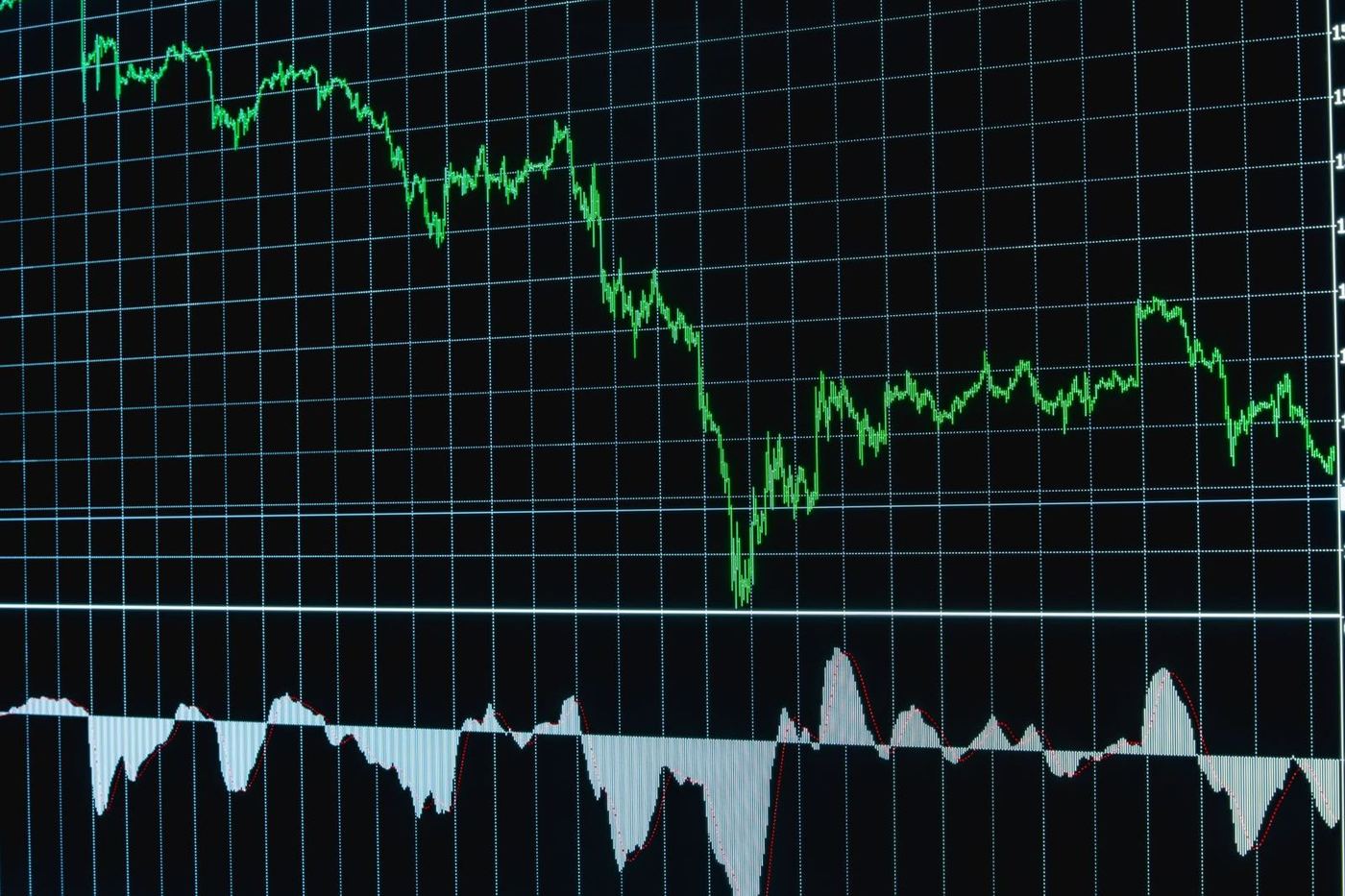
China's Tech Markets See Significant Deleveraging
China's technology equity markets recorded a notable reduction in leveraged positions during July 2026. Outstanding stock purchases financed by margin trading reached 2.59 trillion yuan (US$383.4 billion) on 31 July 2026, representing a 14 per cent decrease from the 3.01 trillion yuan record high observed on 25 June 2026.
This data comes from Chinese financial data provider Wind. The unwinding of these positions was concentrated within the technology boards of both the Shanghai and Shenzhen exchanges. Concurrently, the tech-focused Star Market 50 Index saw a 26 per cent reduction in July 2026, marking its most significant monthly performance decline since its establishment. This market adjustment reflects a broader re-evaluation of risk exposure in high-valuation technology assets.
Global Sentiment and Monetary Policy Influence Unwinding
The reduction in leverage within China's tech markets coincided with a global re-assessment of artificial intelligence investments. Investors globally began scrutinising the scale of capital expenditure required for data centres and cloud-service infrastructure, particularly against a backdrop of elevated stock valuations in the sector.
Furthermore, expectations of monetary tightening by the Federal Reserve contributed to a less permissive environment for highly leveraged positions.
Wang Chen, a partner at Xufunds Investment Management in Shanghai, observed in an undated comment that the substantial decline in the market, particularly for technology and AI stocks, is largely explained by investors exiting their leveraged positions, despite little change in underlying fundamentals. He noted that fluctuations in overseas AI stock values both prompted and accelerated the deleveraging trend in China.
Technical Correction Amidst Unchanged Fundamentals
The sharp 26 per cent decline in the tech-centric Star Market 50 Index in July 2026 was a direct consequence of this deleveraging activity.
The analyst perspective from Xufunds Investment Management suggests that this market movement is primarily a technical correction driven by risk reduction and shifting sentiment rather than a fundamental re-evaluation of the technology companies' intrinsic value.
The concentration of this unwinding on specific tech boards within China's exchanges further underscores a targeted de-risking by market participants.
This dynamic implies that while immediate market performance was negatively affected by the leverage reduction, the long-term outlook for these companies, if their fundamentals remain stable, might depend on the re-establishment of investor confidence and a more stable macro-financial environment.
Implications for Asian Technology Investment
For decision-makers engaged with Asian technology markets, China's deleveraging episode in July 2026 demonstrates the acute sensitivity of high-valuation sectors to shifts in global investor sentiment and the prevalence of leverage.
The rapid unwinding of margin positions, which contributed to a 26 per cent reduction in the Star Market 50 Index, shows that significant market corrections can occur even when underlying company fundamentals are perceived as stable.
Investors and analysts should observe the margin financing figures for August 2026, which Chinese financial data providers like Wind are expected to release in early September 2026.
These forthcoming data points will be crucial for assessing whether the deleveraging trend has stabilised or if further technical adjustments in China's technology equity markets are anticipated, influencing capital allocation strategies across the broader Asian tech landscape.
This analysis is journalism, not investment advice; consult a licensed professional before making financial decisions.
Pieces are credited to the desk that commissioned and edited them. Our editorial standards, and the desks behind them, are set out on the Editorial Standards and Team pages.
Further reading
- Briefings · Markets
SoftBank Group shares drop 11% after OpenAI delays IPO
The Tokyo-listed investment firm saw its stock decline significantly earlier this week, following an announcement from OpenAI that it would delay its initial public offering and advocate for slower AI development.
Continue reading → - Briefings · Policy
Will South Korea's Corporate Tax Rate Be Reduced?
Finance Minister nominee Lee Hyoung-il confirmed on Sunday that the 25% corporate tax rate, reinstated this year, will not be lowered, influencing business investment forecasts for the coming fiscal periods.
Continue reading → - Briefings · Policy
RBI proposes freezing accounts for cyber fraud
India's central bank seeks public input on proposed amendments to its Know Your Customer directions, aiming to formalise how banks can temporarily freeze accounts linked to cyber fraud by October 2, 2026.
Continue reading →