
How Does China's CAR-T Therapy Pricing Reshape Medical Tourism?
China's development of cost-effective chimeric antigen receptor T-cell (CAR-T) therapy is redirecting global medical travel flows, presenting a significant shift in specialised cancer treatment provision.
The Emergence of China in Advanced Cancer Treatment
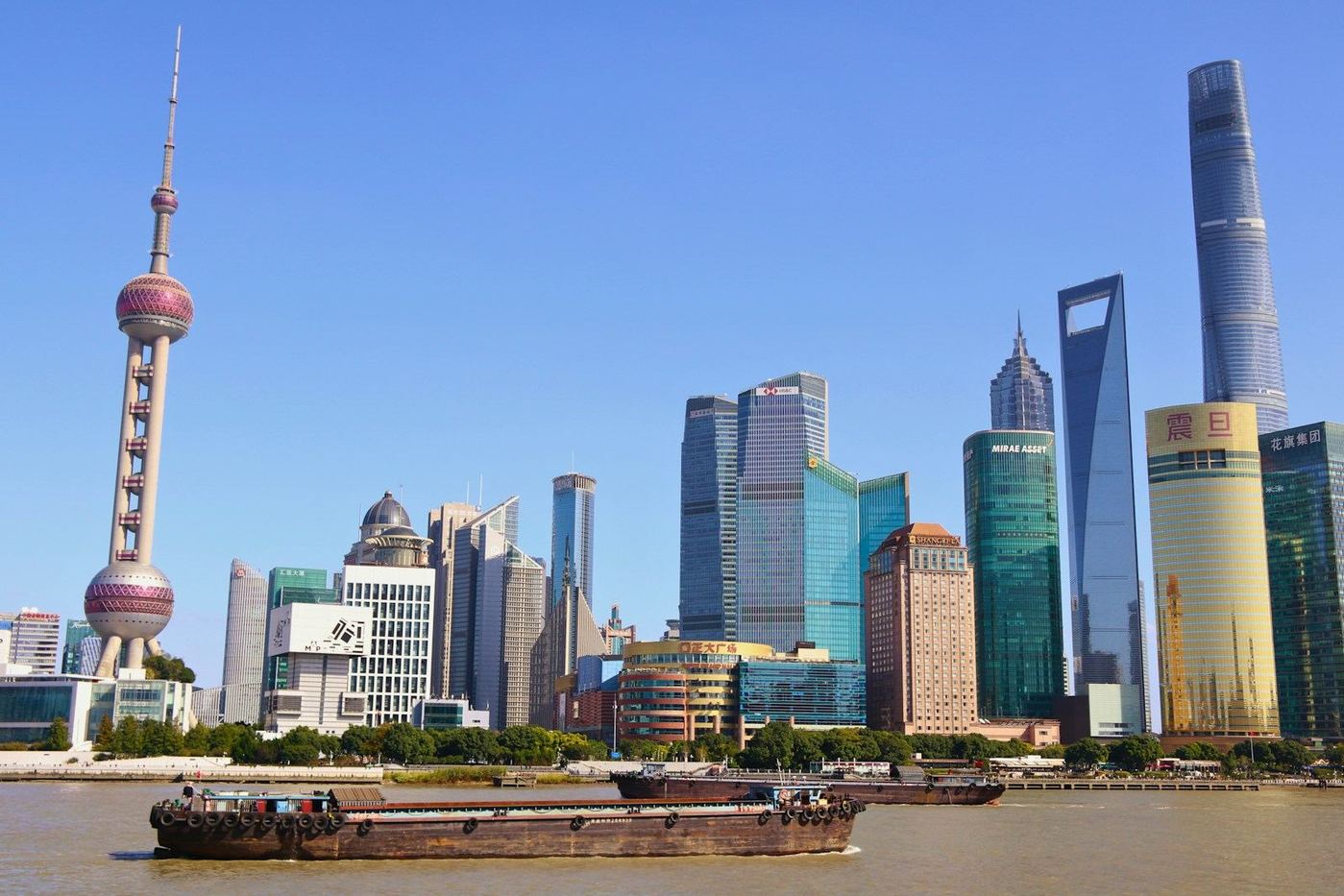
Michael Walters, a 25-year-old from New Zealand, sought CAR-T therapy in Shanghai after previous lymphoma treatments were unsuccessful. The cost quoted by a Melbourne hospital for the same therapy was as high as US$600,000. In contrast, Mr Walters paid less than half that amount in China and achieved complete remission from cancer by 18 August.
This individual case demonstrates a broader trend: the emergence of China as a destination for advanced cancer treatments, particularly CAR-T therapy. This therapeutic approach involves re-engineering a patient's immune cells to specifically target and eliminate cancer cells.
The economic disparity in treatment costs is a primary driver for patients seeking options beyond their home countries, highlighting a developing dynamic in international medical services.
Cost Disparity and Industrialised Production
The financial difference in CAR-T therapy costs is substantial, with treatments in China typically ranging from US$150,000 to US$230,000. This contrasts sharply with prices in the United States, where similar therapies can cost between US$550,000 and US$850,000.
This significant price differential is not merely a result of undercutting; rather, it reflects China's approach to industrialising the production and delivery of these complex therapies. The director of MD Anderson's CAR-T program, who has reportedly advised some international patients to consider treatment in China, observed this operational efficiency.
This model allows for a more streamlined and cost-controlled process, making advanced cellular therapies accessible to a wider international patient base.
Regulatory Approvals and Operational Speed
China has accelerated the regulatory approval process for CAR-T products, leading to nine such therapies currently holding national approval. This figure exceeds the number of approved products in any other country, demonstrating a concentrated effort to integrate these treatments into the healthcare system.
Furthermore, the operational infrastructure supporting these therapies in China enables rapid turnaround times. Laboratories located in close proximity to major hospitals in cities such as Shanghai can engineer and return a patient's cells within days.
This efficiency is critical for patients with aggressive cancers, where delays in treatment initiation can significantly influence clinical outcomes. In June, regulators also approved satri-cel, the first CAR-T therapy for solid tumours, for specific advanced stomach cancers, further broadening the scope of available treatments.
Essential Distinctions for International Patients
While the cost and speed advantages are compelling, healthcare providers and patients must observe specific distinctions to ensure appropriate care. Hospitals are required to differentiate between treatments approved for specific indications, off-label uses, and participation in clinical trials.
For international patients considering treatment abroad, it is essential to receive a clear explanation of the scientific evidence supporting the therapy. This should be complemented by an independent specialist assessment of their condition and a credible aftercare plan before undertaking medical travel.
These measures ensure transparency and mitigate risks associated with seeking complex medical procedures in a foreign country, promoting patient safety and informed decision-making.
Implications for Asian Healthcare Markets
The evolving landscape of CAR-T therapy in China has direct implications for healthcare markets and medical tourism across Asia. The lower cost structure and operational speed in China could exert competitive pressure on other regional healthcare providers that offer or plan to offer similar advanced therapies.
This may prompt a re-evaluation of pricing strategies and treatment delivery models to retain or attract international patients. For investors in Asia's healthcare sector, the trend suggests potential capital flows towards regions demonstrating efficiency in high-cost, high-tech medical treatments.
Decision-makers should monitor the patient flow data from countries like New Zealand and Australia into China, which could indicate a sustained shift in medical travel preferences over the coming 12 to 24 months, influencing investment in specialised oncology facilities elsewhere in the region.
This analysis is journalism, not investment advice; consult a licensed professional before making financial decisions.
Pieces are credited to the desk that commissioned and edited them. Our editorial standards, and the desks behind them, are set out on the Editorial Standards and Team pages.
Further reading
- Briefings · Markets
SoftBank Group shares drop 11% after OpenAI delays IPO
The Tokyo-listed investment firm saw its stock decline significantly earlier this week, following an announcement from OpenAI that it would delay its initial public offering and advocate for slower AI development.
Continue reading → - Briefings · Policy
Will South Korea's Corporate Tax Rate Be Reduced?
Finance Minister nominee Lee Hyoung-il confirmed on Sunday that the 25% corporate tax rate, reinstated this year, will not be lowered, influencing business investment forecasts for the coming fiscal periods.
Continue reading → - Briefings · Policy
RBI proposes freezing accounts for cyber fraud
India's central bank seeks public input on proposed amendments to its Know Your Customer directions, aiming to formalise how banks can temporarily freeze accounts linked to cyber fraud by October 2, 2026.
Continue reading →